About ST266

ST266 is a novel secretome derived from amnion-derived multipotent progenitor (AMP) cells cultured under proprietary conditions. These specialized AMP cells are obtained from amnion epithelial cells isolated from donated, full-term human placentas. ST266 contains a diverse array of cell-secreted bioactive components, including cytokines, growth factors, enzymes, and hundreds of other proteins and biological factors naturally present in amniotic fluid. These components are maintained within physiologically relevant concentration ranges and play important roles in supporting normal fetal development. Through its diverse composition of biologically active factors, ST266 demonstrates significant therapeutic potential to modulate inflammation, support cellular repair and restoration, and promote tissue healing.
ST266 has been studied in numerous preclinical studies and clinical trials. In preclinical studies, ST266 has been shown to be anti-inflammatory, anti-apoptotic, and neuroprotective, stimulating key signaling pathways which resuscitate damaged cells to restore normal function. Phase 1 and Phase 2 clinical trials of ST266 across a range of therapeutic disorders have yielded encouraging results with exposure to >290 subjects including neonate through adult patients. ST266 has been administered by intravenous, ocular, oral, intranasal, and dermal routes of administration.
Phase 1/2 REGENERATE Study
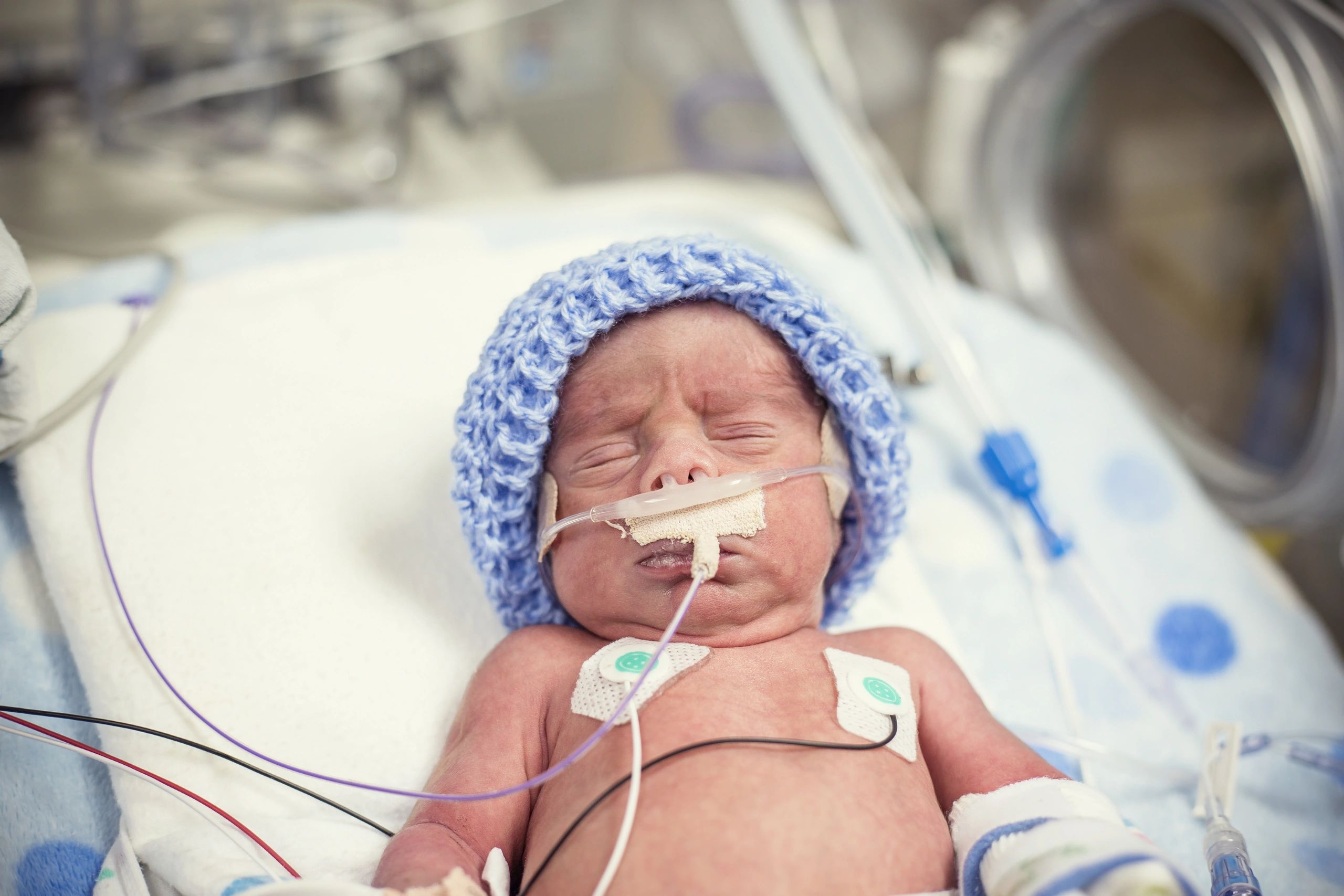
Noveome is currently investigating ST266 in the Phase 1 / 2 REGENERATE Study (NCT06315738) for the treatment of Necrotizing Enterocolitis (NEC), a severe, life threatening disorder primarily affecting premature or low-birth-weight newborns, with no approved treatment.
ST266 has been granted Orphan Disease Designation and Rare Pediatric Disease Designation by the FDA.
For more information about the Phase 1 / 2 REGENERATE Study, please visit www.clinicaltrials.gov (NCT06315738).
About NEC
Necrotizing enterocolitis (NEC) is a severe, life-threatening gastrointestinal disease that primarily affects premature neonates and is the most common cause of mortality in the neonatal intensive care unit (NICU) with reported mortality rates reaching as high as 50%.
The pathophysiology of NEC involves intestinal inflammation, which can lead to bacterial translocation and invasion of the intestinal wall, resulting in cellular injury, tissue damage, and ultimately intestinal necrosis. As the disease progresses, extensive tissue damage may result in intestinal perforation, leading to peritonitis, sepsis, and potentially death.
Several risk factors have been associated with NEC, with prematurity (less than 36 weeks gestational age), low birth weight, and formula feeding recognized as major contributors. Immaturity of the gastrointestinal tract is thought to play a critical role in disease development and progression. In the most severe cases, characterized by intestinal perforation, peritonitis, and systemic sepsis, mortality can approach 100%.
Despite the substantial clinical burden and high mortality associated with NEC, there are no FDA-approved therapies indicated for the treatment of NEC, highlighting a significant unmet medical need.
For more information about NEC, please visit www.necsociety.org.

One Preterm Baby Dies of NEC Every Day in U.S.
- NEC affects nearly 10% of premature babies
- ~ 6,000 premature and very low birth weight babies develop NEC each year in the U.S.
- ~ 40% of babies with NEC progress to surgical NEC
- Leading cause of death in premature and low birth weight babies
- ~ 30% mortaliof babies diagnosed with NEC die
Contact Us
www.noveome.com
620 Alpha Drive, Suite 2, Pittsburgh, PA 15238
+1.412.402.9914 General Inquiries: info@noveome.com Investor Inquiries: investors@noveome.com Clinical Inquiries: clinical@noveome.com